
Last Updated on April 21, 2026
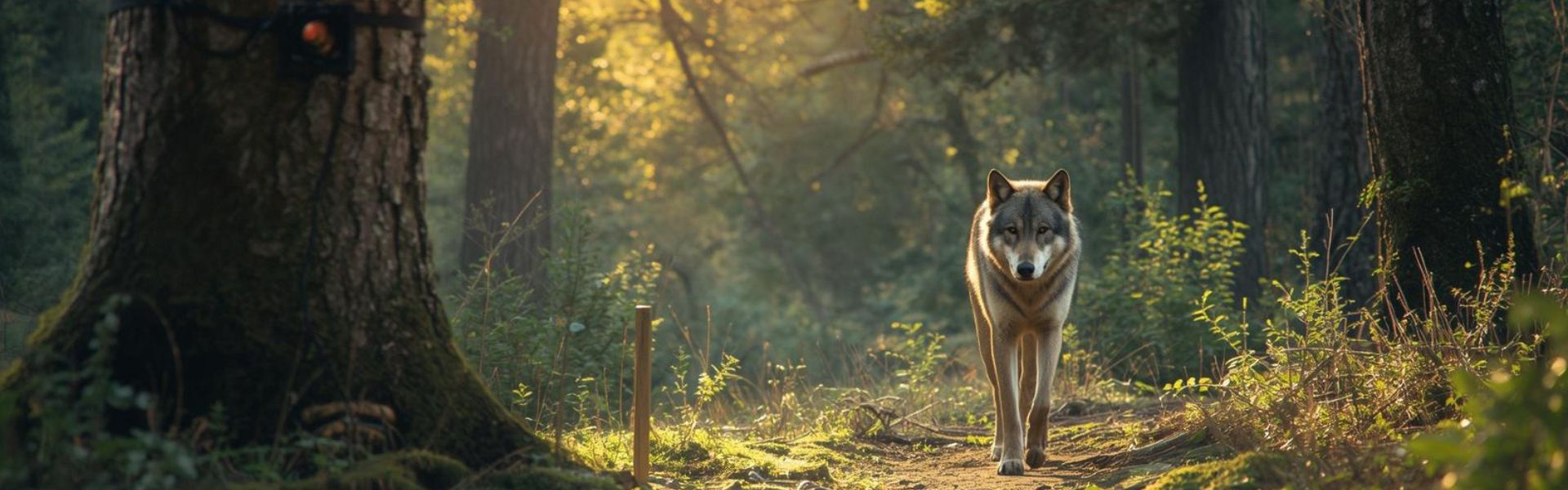
As part of our ongoing collaboration with the Technical University of Zvolen, we are pleased to share a new update from researcher Nuno Guimarães. Building on previous developments, current research activities continue to expand, focusing on broader wildlife monitoring efforts, the development of long-term structures, and stronger collaboration with local stakeholders.
Building the Foundation for Long-Term Monitoring
Current research activities are focused on establishing a reliable baseline for wildlife monitoring in the region. Through a combination of opportunistic camera trapping and ground tracking, a wide range of species has already been documented.
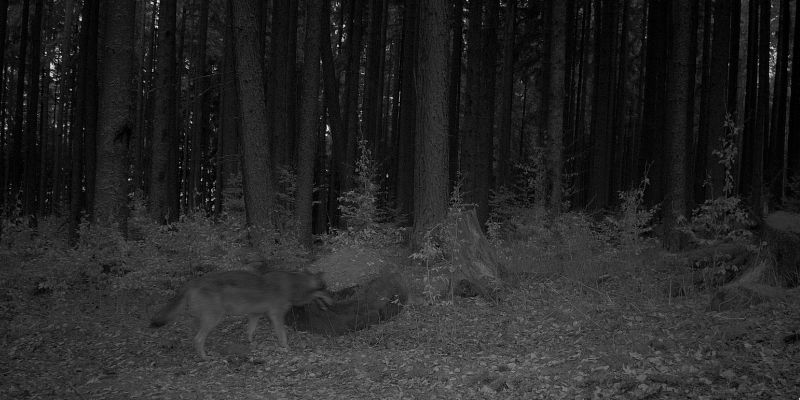
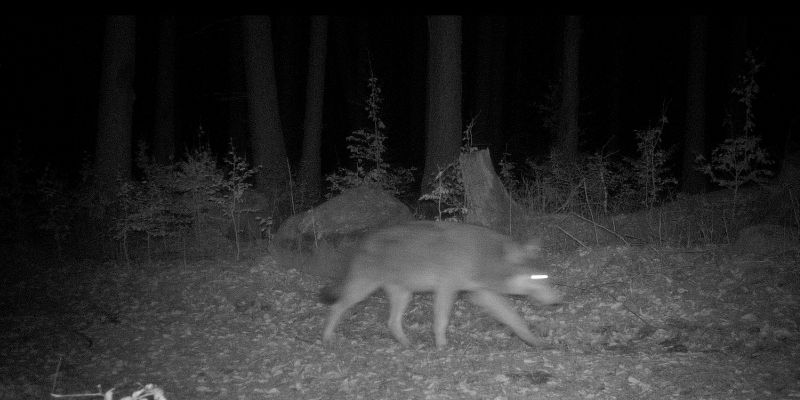
Camera systems placed in selected locations have recorded the presence of large carnivores such as wolves and bears, as well as other species including jackals and various ungulates. These early findings form the groundwork for a more structured and systematic monitoring network planned for the near future.
At this stage, the work remains intentionally flexible. The goal is to refine methodologies, identify key locations, and gradually transition into a more standardized monitoring approach. This process is essential to ensure high-quality data collection over the long term.
Strengthening Collaboration with Local Stakeholders
An important step forward has been the growing collaboration with local stakeholders in the Cerová vrchovina region. Since 2023, ongoing monitoring activities have created a foundation for dialogue with key groups including foresters, hunters, land managers, and farmers.
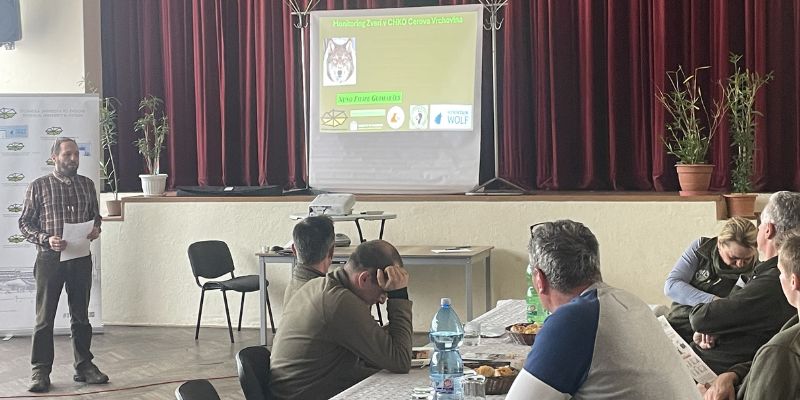
Recent findings were presented during a stakeholder meeting in Petrovce, where participants discussed current wildlife dynamics, practical challenges, and opportunities for coordinated monitoring efforts. This exchange plays a crucial role in aligning scientific research with real-world needs.
By improving communication and data sharing, the initiative supports a more unified understanding of wildlife presence and behavior across the landscape. This collaborative approach is essential for developing effective, long-term conservation strategies.
Student Research: Advancing Knowledge in the Field
A central element of the partnership remains the integration of students into active research projects. Their work not only contributes valuable data but also supports the next generation of wildlife researchers.
Wolf Monitoring Around Human Settlements
As part of her bachelor’s thesis, Barbora Gigacová investigates the presence and activity of wolves in the surroundings of the village of Heľpa. The research focuses on understanding how frequently wolves occur near human settlements and what implications this may have for local communities.
Using camera traps, the study has already confirmed wolf presence in the area. Additional observations include species such as the Eurasian lynx and the European wildcat, providing further insight into local biodiversity.
The project also incorporates livestock damage records and surveys among residents to better understand human perceptions, concerns, and attitudes toward wolves. This combination of ecological data and social research supports a more balanced approach to coexistence.
Tracking the Expansion of the Golden Jackal
Štefan Fegyveres focuses on monitoring the golden jackal within a wetland ecosystem. His research combines multiple methods, including camera trapping, ground tracking, and bioacoustic monitoring, to detect the species and assess its activity.
By gradually expanding the survey area, the project aims to improve detection rates and better understand habitat use. The findings will contribute to evaluating the ecological role of the golden jackal and its potential impact on native species.
This research is particularly relevant as the golden jackal continues to expand its range across Europe.
Understanding Mesocarnivore Dynamics
Jana Ďurova’s master’s research examines mesocarnivore communities in the Cerová vrchovina Protected Landscape Area. Using camera trap data, the study analyzes activity patterns, temporal overlap, and interactions among species such as foxes, badgers, martens, felids, and jackals.
A key focus lies on how these species share time and space within a human-influenced environment. Special attention is given to the golden jackal, which has already been detected in the region but is not yet fully established.
The research explores behavioral adaptability and coexistence strategies, offering valuable insights into how wildlife communities function under changing environmental conditions.
In addition to data analysis, the project also contributes to knowledge transfer. Research findings have been presented to local stakeholders, helping translate scientific results into practical understanding for wildlife management.
Creating Opportunities Through Partnership
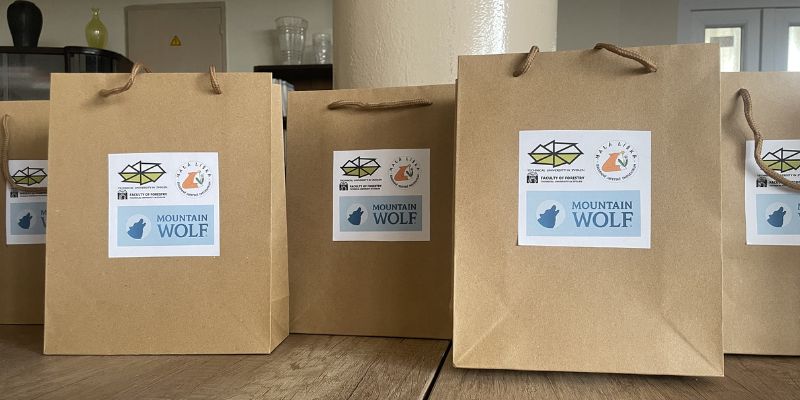
The continued support of Mountain Wolf plays a vital role in expanding monitoring capacity and enabling student participation in real-world research. By combining scientific work, education, and stakeholder collaboration, the partnership is steadily building a foundation for sustainable wildlife monitoring.
Looking ahead, the objective is clear: to establish a structured monitoring network, strengthen cooperation across sectors, and create meaningful opportunities for students to gain experience and contribute to future conservation efforts.
More Insights

Why Stablecoins Will Dominate OTC Trading in 2026
The relationship between stablecoins and OTC trading is becoming increasingly important as digital assets...

How Businesses Can Reduce Payment Costs With Crypto Infrastructure
For many businesses, payment processing has become one of those hidden expenses that slowly eat away at...

Mobile Wallets, NFC & Tap-to-Pay: What’s Next for Users
The way people pay has changed rapidly in recent years. Cash and physical cards are being used less often,...